
Biodegradable sounds perfect. Stitch today. Return to nature later. But the real world is messy. Fabric mix. Wash cycles are hot. Landfills have little oxygen. Some threads break down only in special plants. Others lose strength too early. This guide says where biodegradable threads work right now, and where they still struggle.
What biodegradable really means
A biodegradable thread must ideally decompose into natural substances, for instance, water, carbon dioxide, and biomass, when the right microbes and conditions are present. Time and place matter. Home compost, industrial compost, soil, seawater, and landfill are all different worlds. When you read claims, always ask two things. In what system? In what time?
Common thread families you will meet
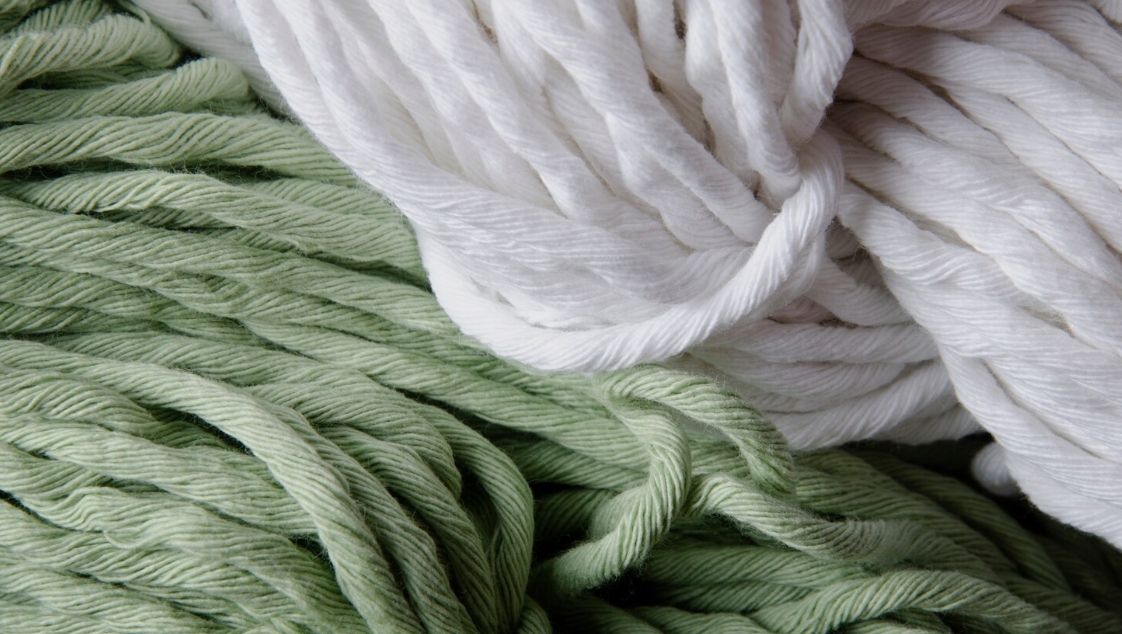
- Cotton thread. Natural fibre. Biodegradable in many settings. Good match for cotton garments. Needs finishing that does not block microbes. Can lose strength in long wet service.
- Lyocell thread. Regenerated cellulose. Also biodegradable. Stronger than cotton at a similar size. Nice matte look for naturals.
- Linen and other bast. Natural too, but less common than sewing threads. Stiffer hand.
- PLA thread. From lactic acid. Often needs industrial compost heat to break down well. It can soften with high ironer heat and has lower hydrolysis resistance in hot, wet care.
- PHA-based options. Newer. Promising. Supply and cost are still limited. Needs careful processing.
- Polyester with an additive. Some claim faster breakdown in landfill-like conditions. Results vary by test and site. Be cautious with marketing here.
Water-soluble threads like PVOH are another tool, but they are for temporary seams, not long-term use. They can dissolve in a wash. Do not count them as final biodegradable sewing in a garment that must last.
Where biodegradable threads work today
1) Mono material naturals
Cotton or lyocell garments with cotton or lyocell thread. Simple story. Same family. that plan mechanical recycling for their natural fabrics. Works well on shirts, chinos, light denim, casual dresses.
2) Decorative seams on slow fashion
Topstitch that does not carry a heavy load. Matte cotton or lyocell thread looks warm and blends with plant dyes.
3) Soft goods and accessories
Labels, hang loops, tote bags, and light quilting for home. Dry use, gentle care, low stress.
4) Repair-friendly products
A seam that is easy to open and restitch with the same natural thread. Helps circular and repair culture.
5) Paper and fiber packaging
Biodegradable thread on cards or wraps that go to paper or home compost streams.
Where they still struggle
1) High abrasion zones
Pocket mouths, belt loops, backpack strap paths, workwear cuffs. Natural threads can fuzz and cut faster than synthetic ones. PLA can notch and weaken under heat and humidity.
2) Wet and hot care
Industrial laundry, repeated hot wash, tunnel finisher. PLA and some finishes lose strength. Cotton weakens when wet and needs bigger ticket or more stitches, which adds weight and cost.
3) Outdoor and footwear
Mud, UV, flex, and grit. Natural or early bio threads often cannot match bonded synthetic threads for long miles. Failure here is safety risk.
4) Mixed polymer garments
If the fabric is polyester, a cotton thread can block polyester recycling or force hand picking. The end of life story breaks. Monomaterial thinking still wins. Example: Polyester corespun thread.
5) Landfill reality
Many landfills are low oxygen. Breakdown slows a lot. Do not promise fast decay there.
Sewing and spec tips if you choose biodegradable
- Pick the finest passing ticket. Smaller thread lets you use a smaller needle. Smaller holes, cleaner seams.
- Stitches per inch. Wovens 8 to 10. Knits 10 to 12. Too many holes make a tear line. Too few can ladder.
- Needles. Ball point 65 to 75 for knits. Micro or light round 70 to 90 for wovens. Coated needles cut heat.
- Finishes. Use low friction, non blocking finishes that are compatible with biodegradation claims. Avoid heavy silicone where you plan water based care or later compost routes.
- Placement. Move structural seams away from the hardest rub lines so the thread lives longer.
Testing that tells the truth
Strength and life
- Seam strength on your exact stack.
- Abrasion on the stitch line, not just the fabric.
- Flex cycles at corners and tacks.
Care stability
- Wash 10 and 30 home cycles. Or the industrial route if that is the plan. Check for fuzz, shade, and breaks.
Compost or biodegradation checks
- If you claim home compost, run a small bench test with your thread on the real fabric offcuts. Track mass loss and visual change for 12 weeks.
- For industrial compost claims, ask for third party data for the exact thread and the conditions used.
End-of-life fit
- If your garment is monomaterial polyester or polyamide, consider biodegradable thread only if it is from the same family and does not harm the melt quality. Most bio-naturals will not fit here. Tell the recycler what you used in the digital product passport.
Troubleshooting quick table
| Symptom | Likely cause | Fast fix |
| Early seam fuzz | High abrasion zone | Add a stitch channel or use a stronger ticket only at that rail |
| Pops after hot wash | Wet strength is too low | Increase ticket one step or raise SPI by 1 in that seam |
| Shade change at seam | Heat or finish issue | Lower press temp, switch to low friction finish, smaller needle |
| Compost claim fails at home | Needs industrial compost | Update claim and care, or change thread family |
| Recycling blocked | Mixed families | Match the thread to the garment family or the document removal point |
Tech pack lines you can copy
- Thread family. Cotton or lyocell for naturals. PLA only where service is light, and care is cool.
- Ticket. Finest passing ticket. Raise one step at the barracks and mouth edges.
- SPI. 8 to 10 woven. 10 to 12 knit.
- Needles. BP 65 to 75 knit. Micro 70 to 90 woven.
- Finish. Low friction, compost compatible.
- Claims. State the system and time. Example. Home compostable components under a managed heap. No landfill promise.
- Passport. Record thread family for end-of-life partners.
One-week pilot plan
Day 1. Pick one woven and one knit style.
Day 2. Sew with cotton or lyocell thread. Keep control with recycled polyester thread.
Day 3. Run seam strength and 5 wash test.
Day 4. Add abrasion and flex checks at the pocket and hem.
Day 5. Start a small home compost jar test with offcuts.
Day 6. Review results. Adjust the ticket or SPI where you see weak points.
Day 7. Decide on use zones. Bio thread in body seams and topstitch. Keep synthetic only in the two or three hardest rails if needed. Document clearly.
Wrap
Biodegradable threads already work in many places. Natural garments. Light-duty seams. Decorative lines. Packaging. They are not magic yet for heavy abrasion, harsh wash, or outdoor loads. Choose where they shine. Match the thread to the fabric family. Keep needles small and SPI balanced. Test care and end of life. Tell the story honestly. Do this, and you will move real products toward better endings without hurting how they live today.