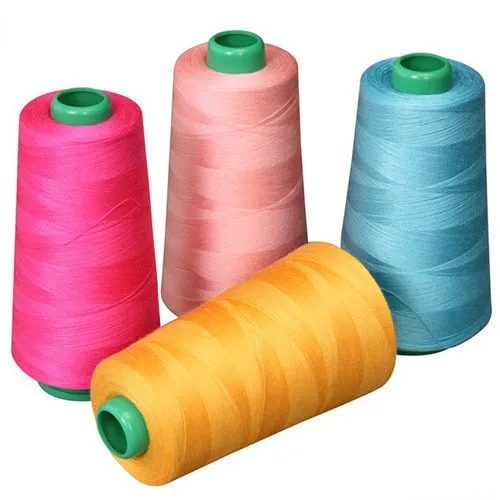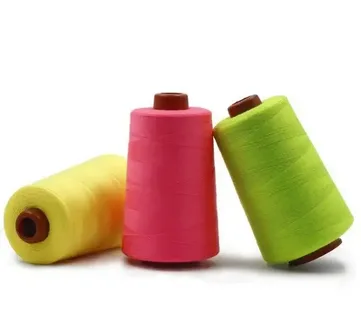

Thread looks small. It is not small. It decides how a seam looks, feels, and lasts. Good recycled sewing thread makes fabric sit flat. Bad thread makes pucker, skips, or breaks. This guide shows simple choices for common fabrics in apparel factories. Use it to set specs, plan needles, and reduce rework.
General rules first
- Pick the finest ticket that still passes seam strength. Smaller ticket lets you use a smaller needle and smaller holes.
- Keep construction stitch length around 3-3.5 mm for most wovens and 2.8 to 3.2 on many knits.
- Balance tension so the lock sits inside the fabric. Not on top. Not under.
- Test on real fabric stacks. Press, wash, then check again after rest.
Cotton tees and light knits
Soft fabric needs soft seams.
- Thread textured polyester in the looper for softness. Corespun polyester for needles.
- Needle ball point to avoid holes.
- Stitch 504 overlock on edges. 406 coverstitch for hems.
- Why the seam stretches with the knit and does not scratch the skin.
Performance stretch and athleisure
Big moves and sweat.
- Thread high tenacity polyester needle thread for strength with small size. Textured polyester in looper.
- Needle ball point or stretch point.
- Stitch flatlock or coverstitch where stretch is high.
- Tip lengthen slightly to reduce heat and pucker on very light jerseys.
Shirting and poplin
Crisp fabric shows every ripple.
- Thread fine polyester corespun or micro core type for very clean lines.
- Needle micro or light round point.
- Stitch 301 lockstitch. Length 3- 3.2 mm.
- Note press a small stitch channel on topstitch so rails sit low and look premium.
Linen and summer blends
Linen likes to pucker if holes are big.
- Thread fine polyester corespun.
- Needle smallest size that forms a stable stitch.
- Stitch 301 at 3.2 to 3.6 millimeters to reduce hole count.
- Press with steam on grain. Let panels cool flat.
Denim and heavy twill
Tough fabric. Visible topstitch is part of the style.
- Thread high tenacity polyester for construction. For bold top lines use thicker ticket or bonded look thread.
- Needle heavy round point sized to stack.
- Stitch 301. Length 3.5 to 4.0 millimeters on topstitch so the rail looks even.
- Tip two slim rows 2 to 3 millimeters apart share load better than one dense row at belt loops.
Silk, satin, and delicate wovens
Shine shows needle marks.
- Thread very fine recycled polyester thread or fine cellulosic look thread with tight twist.
- Needle micro point and very sharp.
- Stitch 301 with longer step 3.2 to 3.6 millimeters.
- Press under a cloth to avoid gloss. Test in scrap first.
Wool suiting and cashmere
Seam should disappear.
- Thread fine polyester corespun that sinks into the weave.
- Needle light round.
- Stitch 301 3.0 to 3.2 millimeters.
- Finish underpress the seam and cool under weight so the join is invisible.
Faux leather and coated fabrics
Heat and holes cause trouble.
- Thread high strength polyester at smaller ticket to keep holes tiny.
- Needle coated micro round to cut friction.
- Stitch 301 3.2 to 3.8 millimeters to avoid perforation rows.
- Note slow slightly on thick steps to prevent gloss rings.
Outerwear and rain shells
Keep water paths under control.
- Thread water resistant or anti wicking polyester for exposed seams.
- Needle micro round.
- Stitch 301 at 3.2 to 3.6 millimeters.
- System pair with narrow bond lanes or seam tapes as your design requires.
Workwear and uniforms
Long life and many washes.
- Thread high tenacity polyester for strength and abrasion.
- Needle sized to heavy twills and canvas.
- Stitch 301 3.2 to 3.6 millimeters.
- Trick two short wide tacks instead of one dense bar to reduce fabric cutting at pockets.
Lingerie and delicate stretch
Comfort first.
- Thread textured polyester in loopers for soft touch. Fine corespun polyester needles.
- Needle ball point.
- Stitch narrow coverstitch and 3 step zigzag where needed.
- Check ridge height so it does not rub skin.
Lightweight microfibers and ultralight shells
Pucker loves these.
- Thread very fine polyester with smooth finish.
- Needle smallest size that makes a clean stitch.
- Stitch 3.2 to 3.6 millimeters and reduce tension slightly.
- Press cool and minimal to avoid print through.
Shirts with contrast topstitch
Color must stay true.
- Thread solution dyed or high fastness dye route.
- Needle micro point.
- Stitch 3.5 to 4.0 millimeters on visible lines.
- Habit check shade under daylight and warm store light before bulk.
Leather trims on garments
Small parts, big load.
- Thread high tenacity polyester or bonded type at modest ticket.
- Needle leather point only if true leather. For synthetics use micro round.
- Stitch 3.5 to 4.0 millimeters.
- Corner radius 6 to 8 millimeters to stop cracking.
Quick decision table
| Fabric | Thread pick | Needle | Stitch length |
| Light knit | Textured poly loopers, corespun needles | Ball point | 2.8 to 3.2 mm |
| Poplin shirting | Fine corespun poly | Micro round | 3.0 to 3.2 mm |
| Denim | High tenacity poly | Heavy round | 3.5 to 4.0 mm top |
| Silk or satin | Very fine smooth thread | Micro point | 3.2 to 3.6 mm |
| Rain shell | Anti wicking poly | Micro round | 3.2 to 3.6 mm |
| Faux leather | High strength small ticket | Coated micro round | 3.2 to 3.8 mm |
Testing that saves time
- Seam pull on the real stack in warp and weft. Choose the lightest passing ticket.
- Pucker and press wash once, press once, rest 24 hours. If waves stay, drop needle size or smooth the finish.
- Abrasion on seam at pocket entries and corners. If fuzz shows early, raise tenacity or add a stitch channel.
- Color in many lights for contrast seams. Fix recipe before bulk.
- Comfort check rub inside seams on skin. Lower ridge or change looper thread if scratchy.
Tech pack lines you can copy
- Thread family and ticket for each seam type
- Needle size and point by fabric
- Stitch length targets for construction and top lines
- Corner radius min 6 to 8 millimeters where turning
- Any special finish like anti wicking or solution dyed for shade control
Wrap
Right thread makes fabric behave. Pick strong for size, not big for show. Match needle and stitch to the cloth. Keep holes small and rails calm. Test on real stacks and then lock specifications in the tech pack. These steps will make your seams will appear neat, and also last longer.