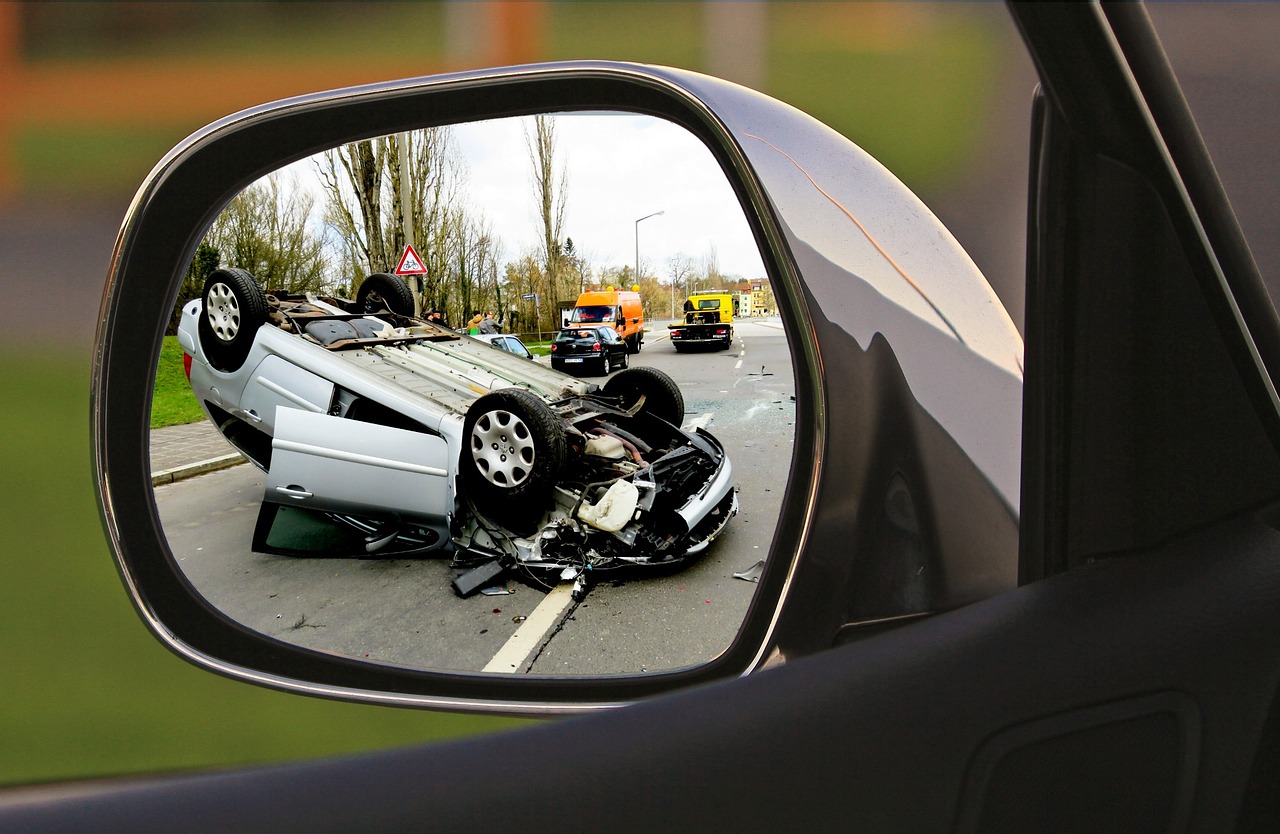

Street accidents are an unfortunate but common occurrence in today’s fast-paced world. Whether it’s a minor collision or a serious crash, these incidents can happen at any time and often leave a lasting impact. They affect not only the individuals involved but also witnesses, families, and entire communities. For students, writing about such events offers an opportunity to reflect on real-life experiences and understand the importance of road safety.
A street accident can happen due to many reasons—negligence, speeding, mechanical failure, or even poor road conditions. No matter the cause, the outcome is almost always distressing. That’s why writing a street accident paragraph is not just about retelling what happened, but also about raising awareness and encouraging caution among road users.
In school assignments or writing exercises, this topic is often given to help students express observations or personal experiences. It also builds sensitivity toward others’ pain and highlights the value of responsibility on the road—whether you’re a pedestrian, a cyclist, or a driver.
In the sections that follow, you’ll learn how to describe a street accident effectively, what details matter most, and how to write with clarity and empathy. Whether it’s a real incident or a fictional one, your words can help remind readers of the human side of accidents—and why prevention matters more than reaction.
Understanding Street Accidents
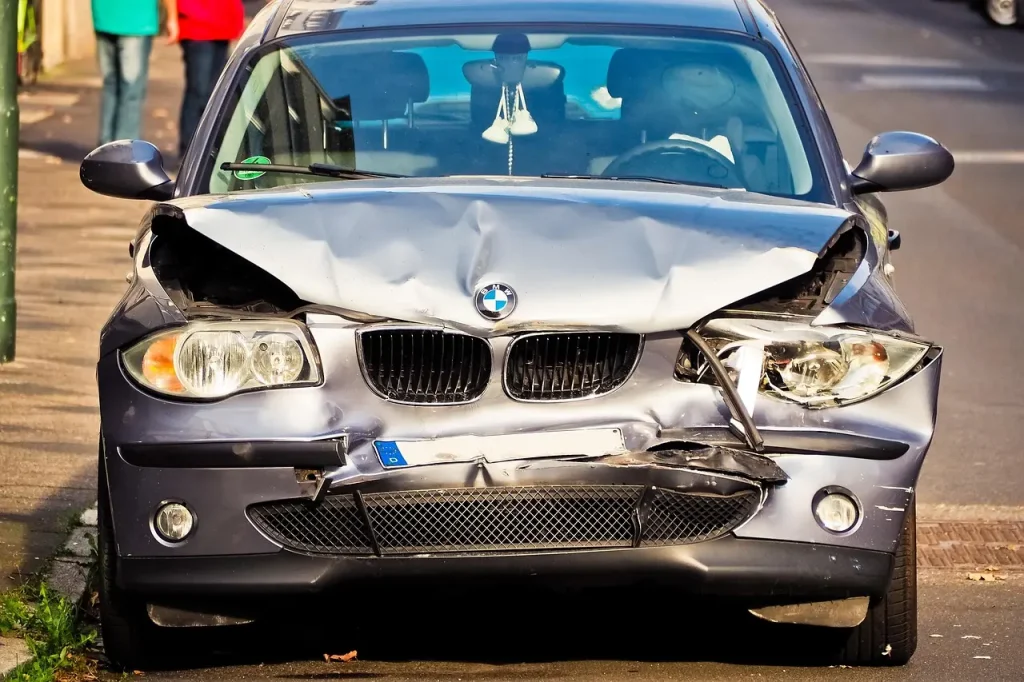
Street accidents are incidents that occur on public roads, often involving vehicles, pedestrians, or cyclists. These accidents range from minor scrapes to severe collisions and, in some tragic cases, result in loss of life. Most of them happen unexpectedly, turning an ordinary moment into a scene of confusion, injury, and fear.
There are several common causes behind street accidents. One of the leading factors is speeding. Drivers who exceed the speed limit often fail to react in time when something unexpected occurs. Another frequent reason is distraction—such as texting while driving or not paying attention to traffic signals. Poor visibility, lack of proper road signs, damaged pavements, and drunk driving also contribute significantly to the rise in accidents.
Sometimes, it’s not just drivers who are at fault. Pedestrians crossing carelessly, cyclists ignoring traffic rules, or even jaywalking can lead to dangerous situations. These incidents underline the need for awareness and mutual respect on the road.
The consequences of a street accident are not only physical. They can bring emotional trauma, financial burdens, and even long-term psychological effects. Families may lose loved ones, and survivors might carry invisible scars for years.
When you’re writing a street accident paragraph, it’s important to touch on these aspects: the nature of the accident, what caused it, who was involved, and what impact it had. Adding a few thoughtful lines about how such incidents can be prevented makes the paragraph more meaningful and responsible.
Understanding the reality of street accidents is the first step toward preventing them. With awareness and careful behavior, many of these events can be avoided, saving lives and protecting communities.
Personal Experience: Witnessing a Street Accident
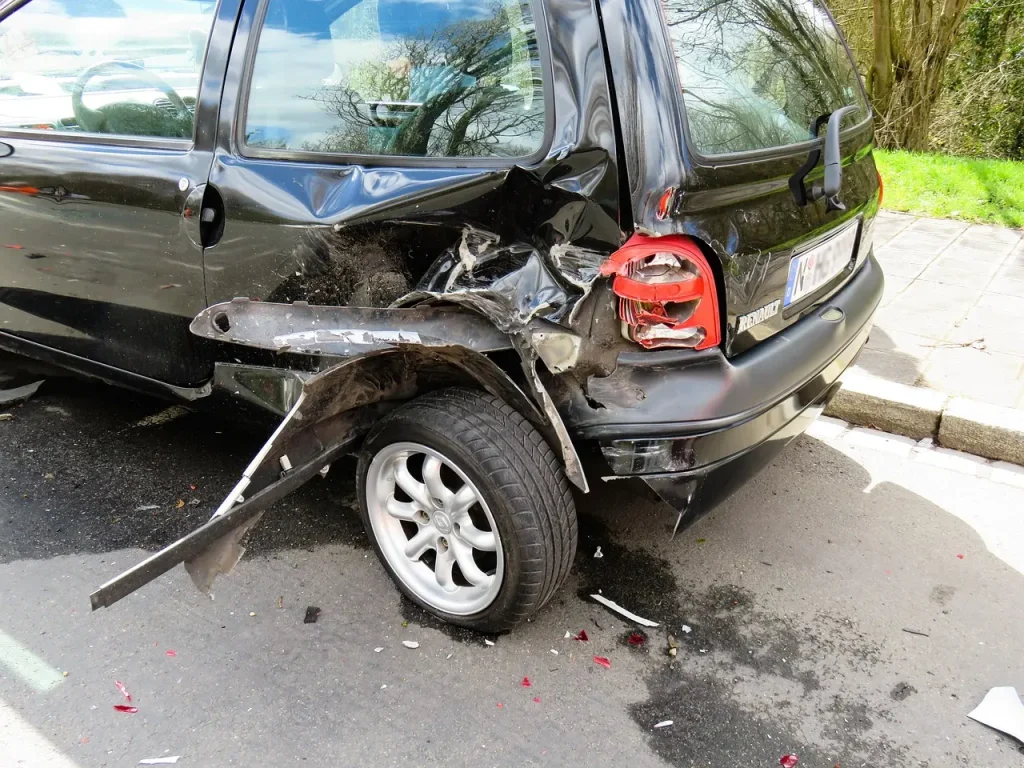
One quiet afternoon, while walking home from school, I witnessed a street accident that left a deep impression on me. It happened at a busy intersection near the marketplace. A motorcyclist, speeding past a red light, collided with a delivery van turning right. The sound of the crash was loud and sudden—enough to freeze everyone around for a second.
The motorcyclist was thrown off his bike and landed on the pavement. Bystanders rushed to help, while someone called for an ambulance. The van driver stepped out, visibly shaken but unhurt. The injured man was conscious but in pain, with visible cuts on his arms and legs. Within minutes, emergency services arrived and took over the scene.
Seeing this unfold made me realize how one careless moment can lead to serious consequences. The accident was avoidable—if only the rider had followed the traffic signal. That single decision disrupted his day, endangered his life, and could have harmed others nearby.
Writing a street accident paragraph based on a personal experience like this adds authenticity and emotion to your work. It also helps others understand the real-world importance of following traffic rules. When you describe an incident you’ve seen or imagined, it makes your paragraph more vivid and meaningful.
Accidents can happen anytime, but many are preventable. This experience taught me to be more alert while walking, especially near crossings. It also reminded me that staying patient and obeying traffic rules isn’t just for drivers—it’s everyone’s responsibility.
Preventive Measures and Safety Protocols
Street accidents may occur suddenly, but most are the result of preventable actions. Whether you’re a driver, passenger, cyclist, or pedestrian, following basic safety rules can significantly reduce the risk of accidents on the road. Prevention begins with awareness and is maintained through consistent, responsible behavior.
The most basic yet most ignored rule is obeying traffic signals. Red means stop—it’s that simple. Yet many accidents occur because someone chooses to rush through a light or ignore a stop sign. Speed limits exist for a reason, especially in crowded or residential areas. Driving too fast not only reduces your reaction time but also increases the impact if an accident does occur.
Pedestrians also play a key role. Using crosswalks, avoiding distractions like phones while walking, and being alert while crossing the street are small actions that make a big difference. Cyclists should wear helmets, use reflective gear, and follow the same road rules as drivers.
Another important aspect is regular vehicle maintenance. Faulty brakes, worn-out tires, or broken lights can all lead to dangerous situations on the road. Drivers must also avoid distractions, especially texting or talking on the phone while driving.
Governments and local authorities contribute through road safety campaigns, installing proper signage, speed bumps, and traffic lights. But rules and signs alone are not enough—community cooperation is key.
When writing a street accident paragraph, it’s effective to include these preventive points. They remind readers that accidents aren’t just unfortunate events—they are warnings to do better.
Frequently Asked Questions (FAQ)
Q1: What is considered a street accident?
A street accident refers to any unexpected collision or mishap that occurs on public roads involving vehicles, pedestrians, or cyclists. These accidents can range from small scrapes to severe injuries or fatalities.
Q2: What should you do if you witness a street accident?
If you see an accident, stay calm and assess the situation. Call emergency services immediately. Avoid crowding the area, and if it’s safe, offer help without moving the injured unless absolutely necessary.
Q3: What causes most street accidents?
Common causes include speeding, distracted driving, ignoring traffic signals, and poor road conditions. Pedestrian carelessness and lack of proper lighting or signs can also contribute.
Conclusion
Street accidents are not just random events—they’re reminders of how important road safety is. Whether you walk, ride, or drive, following traffic rules protects everyone.
In this article, you explored causes, effects, and safety tips, along with how to write about such incidents clearly and thoughtfully.
When you write a street accident paragraph, you’re spreading awareness. Even a short piece can make others more cautious and responsible on the road.
Stay alert, respect the rules, and encourage others to do the same. Writing helps us reflect—but practicing what we write makes the real difference.