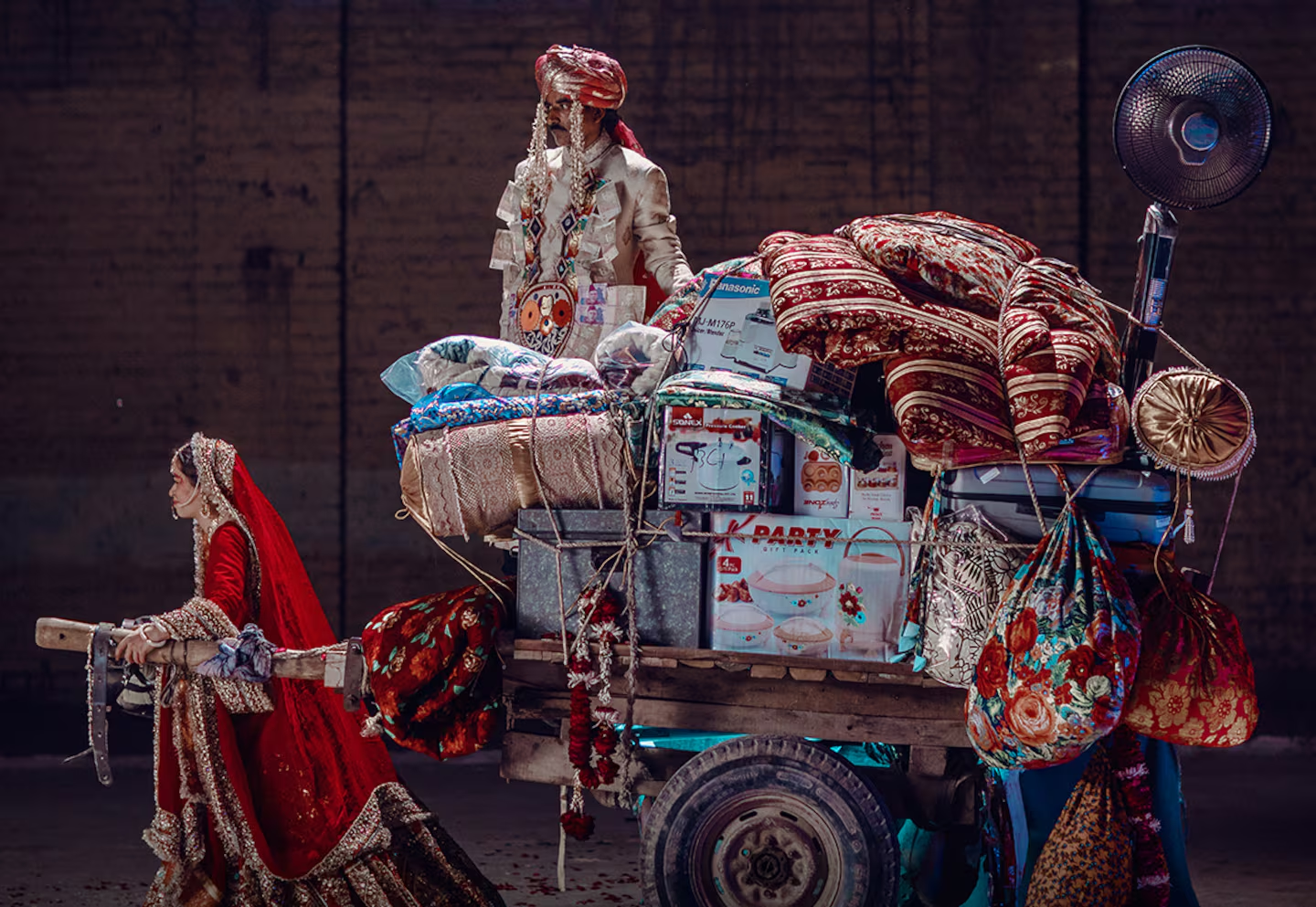

If you’re reading this, you already know how certain traditions can shape lives for better or worse. One such tradition is the dowry system. It’s not just a custom anymore—it has turned into a widespread social issue that affects thousands of families, particularly in South Asian societies like ours. While originally meant to help the new couple start their life, it has become a reason for financial stress, emotional suffering, and even physical violence. Despite laws being in place, this harmful practice continues in both rural and urban areas.
As a reader, you’re not just learning about a custom. You’re understanding the human cost behind a social expectation. This article will help you identify the causes behind this tradition, its effects on families and society, and how it’s represented in education. So, whether you’re writing an assignment or trying to understand this topic better, this guide on the dowry system paragraph is here to assist you clearly and thoughtfully.
Causes and Negative Effects of the Dowry System

The dowry system is not just an old practice—it is a reflection of deeply rooted problems in society. Understanding why it exists is the first step toward stopping it. There are multiple reasons this system continues to survive, even when it’s known to cause harm.
One of the major causes is economic pressure. In many families, marrying off a daughter is seen as a financial loss unless compensated by giving dowry. Some grooms’ families treat marriage like a business transaction, where they expect large sums of money, furniture, electronics, or even land. Another strong reason is gender discrimination. In many areas, a girl is still considered a burden. Parents believe that to get their daughters married into a “good” family, they must pay dowry. Social pressure also plays a role. Even educated and wealthy families often accept dowry just because it is “tradition” or to maintain status in society.
The negative effects of the dowry system are serious and often life-threatening. Families are pushed into debt trying to meet demands. Some even sell land, jewelry, or take high-interest loans to marry off their daughters. The bride, instead of starting a happy married life, faces humiliation and threats if her family fails to give the expected dowry. This can lead to mental abuse, physical violence, or even death. In many reported cases, women are tortured or abandoned because they “brought less.” In worst situations, dowry-related killings have shocked entire communities.
The system also causes social inequality. Poor families find it almost impossible to marry their daughters. As a result, girls may be kept from school or married off at an early age to reduce dowry costs. Even though laws exist against the practice, they are not always enforced. People are afraid to speak out, and many suffer in silence.
The dowry system paragraph teaches you more than just facts—it reminds you that real people suffer under unfair expectations. Understanding the causes and effects helps you see why this issue must be taken seriously by everyone.
Dowry System Paragraph For SSC of 200 Words

The dowry system is a harmful tradition where the bride’s family is expected to give money, property, or gifts to the groom’s side during marriage. Although this practice started long ago, it has now become a serious problem in society. Many parents are forced to spend huge amounts of money just to get their daughters married. This creates a heavy financial burden and often pushes families into debt.
Girls are treated unfairly if they cannot bring a large dowry. In some cases, they face insults, abuse, or even violence from their in-laws. Some marriages even end in divorce or tragic death because of dowry-related problems. This system clearly shows how women are treated unequally in society.
Even though there are laws against dowry, people still follow it out of social pressure. The government should take stronger actions to stop this practice. Everyone must raise their voice against this unfair system. Education and awareness can help people understand the harm it causes.
The dowry system paragraph is not just a writing task—it reflects real pain that thousands of families go through. It is time to end this practice and bring fairness to marriage.
Dowry System Paragraph For HSC of 250 Words
The dowry system is one of the most pressing social issues in our country. It refers to the demand for money, furniture, or property by the groom’s family from the bride’s family during or after marriage. Though dowry was once considered a gift, it has now turned into a harmful custom. Today, it causes suffering and injustice, especially for women.
In many cases, parents are forced to take loans or sell property to arrange the dowry. Families from lower economic backgrounds suffer the most. After marriage, the bride may face emotional or physical abuse if the dowry is not satisfactory. Sadly, there are still many cases of domestic violence and even deaths caused by dowry disputes.
This practice encourages gender discrimination. A girl is often seen as a financial burden. It also discourages the education of daughters, as parents save money for their marriage instead of spending it on studies. Moreover, dowry demands lead to early marriages in some families, which is harmful to girls’ health and future.
The government has made laws to stop dowry, but these are not always enforced. Social awareness and education can bring real change. Every individual must speak up against this unfair tradition.
Writing a dowry system paragraph helps you understand why this issue must be taken seriously. It’s not just about marriage—it’s about justice, equality, and human dignity.
Frequently Asked Questions
Q1: What is the dowry system and why is it harmful?
The dowry system is the giving of money, gifts, or property by the bride’s family to the groom’s family. It is harmful because it leads to financial stress, abuse, and inequality.
Q2: Is the dowry system still common today?
Yes, it is still practiced in many places, both in villages and cities. Despite legal bans, social pressure and old beliefs keep it alive in many families.
Q3: What are the main effects of the dowry system on women?
Women may face harassment, domestic violence, or even death if the dowry is not considered enough. It also limits their freedom and lowers their value in society.
Q4: Are there any laws to stop dowry?
Yes, there are laws like the Dowry Prohibition Act, which make taking or giving dowry illegal. However, enforcement is weak, and many cases go unreported.
Q5: How can this tradition be stopped?
Ending dowry requires awareness, education, and strict punishment for those who demand it. Families must also change their attitude toward marriage and value women equally.
Conclusion
You’ve now seen how damaging the dowry system can be—not only to individuals but to families and society as a whole. What may seem like a tradition to some is actually a major cause of suffering for many. It turns a marriage, which should be based on love and respect, into a financial deal. This practice keeps inequality alive, especially against women, and often results in long-term emotional and physical harm.
While laws exist to stop dowry, true change must come from people’s mindset. Parents must teach their children, both sons and daughters, to value fairness over greed. Communities need to stop accepting dowry as “normal.” Writing a dowry system paragraph is more than an academic task. It helps you understand the real impact of cultural practices and encourages you to stand for justice.