
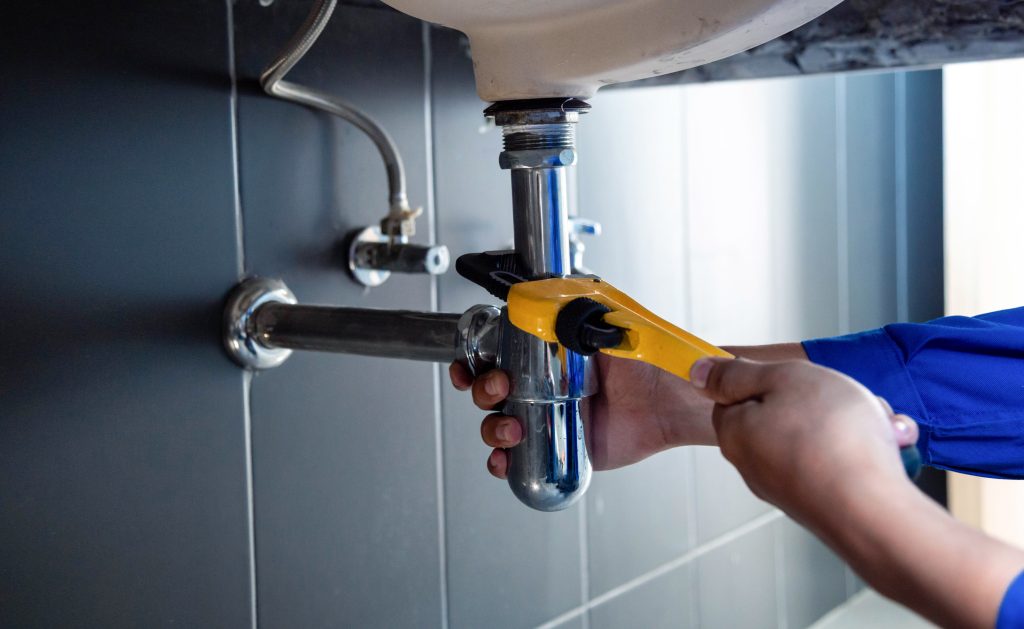
Let’s be honest, plumbing is one of those things you barely think about until something goes really wrong. One minute your pipes are quietly doing their job, and the next there’s water on the floor, a slow drain making scary noises, or a faucet that sounds like it’s growling at you. If you’re the DIY type (or you just want to keep trouble at bay), knowing what to use around your sinks, toilets, and tubs is a game-changer. Here’s some honest advice on what works, what to avoid, and when it’s best to call in real residential plumbing services.
Winners: Products That Actually Help
Let’s kick this off with the stuff that’s safe, effective, and basically won’t ruin your day:
- Enzyme-Based Drain Cleaners: These are your best friends when you want to keep things moving along. Unlike super harsh chemical cleaners, enzyme formulas slowly “eat” away at gunk—think grease, hair, and food scraps—without melting your pipes. They take a little longer to work, but they’re way less likely to corrode or cause leaks. You can even use them every month or so as a preventive trick.
- Plungers and Hand Auger:s A classic for a reason. Keep a good plunger under each bathroom sink—trust me. You don’t want to be running through the house mid-emergency. For clogs that resist plunging, a hand auger (looks like a skinny metal snake) is surprisingly easy to use and saves a lot of money over a pro visit for basic stuff.
- Plumber’s Grease and Thread Tape (Teflon Tape): If you’re swapping out a showerhead or tightening a loose joint, plumber’s grease keeps O-rings slippery and the seal tight. Teflon tape, meanwhile, is amazing for getting threaded connections leak-free—just a few wraps and you’re golden.
- Quality Faucet Aerators and Water-Saving Showerheads: Not only are these easy to install, but they save on water (and your bills). Get the real-deal brands instead of something that feels like it’ll snap in your hand.
Losers: Stuff That’ll Come Back to Haunt You
Alright, now for the things that seem helpful, but usually end in disaster:
- Harsh Chemical Drain Cleaners: These feel magical—pour, wait, drain clears!—but they’re really tough on pipes, especially older or PVC ones. Regular use can eat away at your plumbing, causing surprise leaks weeks or months later. If you hit a stubborn clog, it’s way better to use a plunger, snake, or call a pro.
- “Flushable” Wipes: Ignore the label. Most wipes don’t dissolve properly and will eventually clog up pipes and create drama in your sewer line. Stick with good old toilet paper, or toss wipes in the trash.
- Old-School Metal-Coated Brushes: Wire brushes or harsh scrub pads can scratch your sinks, fixtures, and even pipes, making them vulnerable to rust or future damage. Use softer brushes or sponges for cleaning instead.
- DIY “Miracle” Additives: Every so often you’ll see gadgets or powders online promising to fix leaks or make water flow stronger “instantly.” Most of these do nothing, and a few can make things worse. If you want to try out a product, check reviews from reputable sites or just call a plumber first.
When It’s Time to Call in the Experts
There’s nothing wrong with trying to fix a simple clog or leak on your own. But if you’ve tried the basics and there’s still water where it shouldn’t be—or if you hear weird knocks or see mystery puddles under the sink—step away from the chemical arsenal and give professional residential plumbing services a call. They have the right tools, the know-how, and, frankly, they’ll save you a lot of headaches (and probably a whole weekend of frustration).
Taking care of your pipes doesn’t have to be complicated. Use the good stuff, skip the quick-fix gimmicks, and your plumbing will reward you with years of drama-free showers and perfectly working sinks.

