
When preparing for your school exams in Bangladesh, writing a water pollution paragraph can be both informative and scoring. This topic is often included in the syllabus from Class 6 up to HSC, and for good reason. Water is essential to life, yet water pollution has become one of the most pressing issues in the country. As a student, you are not only expected to know what water pollution means but also how it affects your country and what can be done about it.
In Bangladesh, rivers like the Buriganga, Turag, and Sitalakhya, once full of life, are now heavily polluted due to unchecked dumping of industrial waste, untreated sewage, and household garbage. These environmental issues don’t just affect fish or plants; they harm people, especially in rural areas that rely on river water for drinking and irrigation.
By learning how to craft an effective water pollution paragraph, you also gain valuable writing skills such as summarizing, analyzing, and presenting ideas clearly. These skills not only help in English and Bangla exams but also improve your ability to express views on social and environmental topics. So, whether you’re preparing for an SSC test or just a class 8 assignment, mastering this paragraph is both useful and impactful.
Water Pollution Paragraph Easy
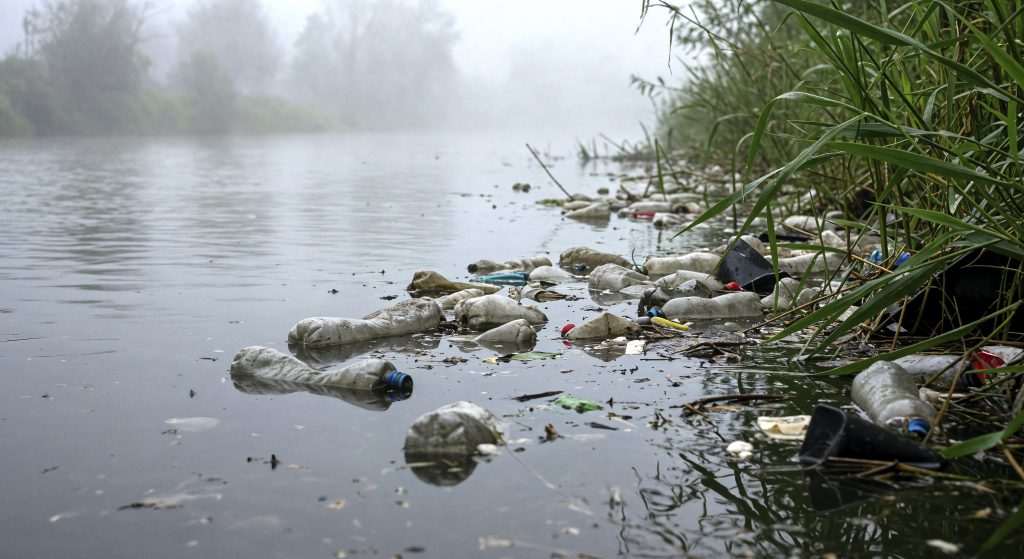
Water pollution is a big problem in Bangladesh. It happens when dirty things like garbage, oil, or chemicals mix with water. People throw waste into rivers, canals, and ponds without thinking. As a result, the water becomes harmful to drink or use. Fish die, and people get sick. Many factories dump their waste into rivers, making the water even worse. Everyone must be careful not to pollute water. We need clean water to live healthy lives. To stop this problem, we should keep our surroundings clean and use dustbins. A short water pollution paragraph like this helps raise awareness.
Water Pollution Paragraph Short
Water pollution is one of the biggest environmental problems in Bangladesh. It refers to the contamination of water sources like rivers, ponds, lakes, and seas. This pollution is caused by dumping industrial waste, plastic, human waste, and harmful chemicals into water bodies. Many people also wash clothes, bathe, and even throw garbage directly into rivers and canals. As a result, the water becomes dirty and unsafe for use. This polluted water harms fish, aquatic plants, and animals. It also causes many diseases in humans, such as diarrhea, skin problems, and cholera. Water pollution makes clean drinking water harder to find in both cities and villages. It is everyone’s responsibility to keep water clean. We must stop polluting water and follow proper sanitation habits. Factories should be more responsible and treat their waste before disposal. A well-written water pollution paragraph can help spread awareness among students and citizens about this serious issue.
Water Pollution Paragraph Long
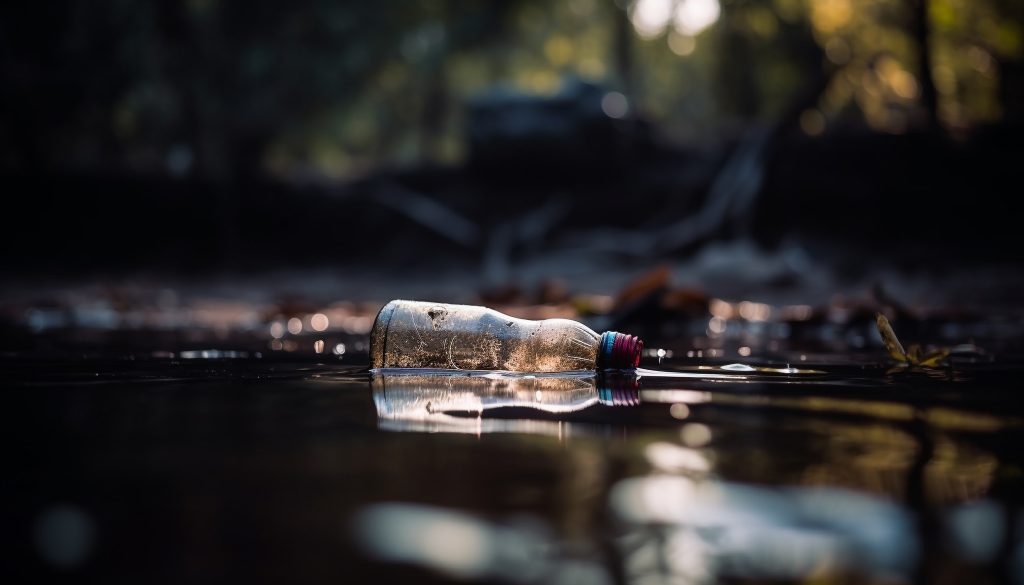
Water pollution is a serious environmental concern in Bangladesh, affecting both rural and urban areas. It refers to the mixing of harmful substances such as waste, chemicals, and plastics into natural water sources like rivers, lakes, canals, and ponds. In our country, this issue has become worse due to rapid industrialization, poor waste management, and careless human habits. Many factories release toxic waste directly into rivers without treatment, while households dump garbage, sewage, and plastics into nearby water bodies.
This pollution harms aquatic life, such as fish and plants, and disrupts the entire ecosystem. It also makes water unsafe for daily use, leading to health problems like diarrhea, typhoid, cholera, and skin diseases. In many villages and cities, people suffer due to the lack of clean drinking water. Farmers also face difficulties as polluted water affects crop growth.
Solving this issue requires strict action. Industries must treat wastewater before releasing it, and the government should ensure proper drainage systems. Educating people about the dangers of pollution can help reduce the problem. Writing a meaningful water pollution paragraph like this helps spread awareness and encourages responsible behavior.
Water Pollution Paragraph For SSC & HSC
Water pollution is one of the most pressing environmental issues in Bangladesh. As a country rich in rivers and water bodies, Bangladesh has long depended on its natural water resources for agriculture, drinking, household chores, and fishing. But due to rapid industrial growth, population pressure, and lack of awareness, these vital resources are being polluted at an alarming rate.
One of the major causes of water pollution is industrial waste. Many factories, especially those situated along the banks of rivers like the Buriganga and Karnaphuli, dump untreated toxic chemicals and heavy metals directly into the water. Additionally, household sewage, plastics, detergents, and garbage are regularly thrown into canals and ponds, making the water unsafe for any use. Poor drainage systems and open defecation in some rural areas further worsen the situation.
This widespread pollution causes serious consequences. Thousands of people suffer from waterborne diseases like diarrhea, cholera, hepatitis, and even cancer. The aquatic ecosystem is also affected — fish are dying, and biodiversity is shrinking. Farmers, too, face trouble, as polluted water harms their crops and soil.
To reduce water pollution, awareness must be raised at every level. Factories should be strictly monitored, and modern water treatment plants must be introduced. Citizens should take responsibility for keeping the environment clean. Educational institutions can play a key role by including environmental topics in their syllabus.
Frequently Asked Questions
Q1: What is water pollution and why is it harmful?
A: Water pollution is the contamination of water bodies like rivers, ponds, and canals. It is harmful because it causes serious diseases, kills aquatic life, and makes water unsafe for drinking, farming, and household use.
Q2: What are the main causes of water pollution in Bangladesh?
A: The main causes include factory waste, household garbage, untreated sewage, chemical fertilizers, and pesticides. These pollutants enter rivers and ponds, damaging both human health and the environment.
Q3: How does water pollution affect human life?
A: Polluted water spreads diseases such as diarrhea, cholera, and skin infections. It also leads to crop failure when used in irrigation and creates a shortage of clean drinking water.
Q4: What role do industries play in water pollution?
A: Industries often dump harmful chemicals into nearby rivers without treatment. This industrial waste includes toxic metals, dyes, and oils that severely contaminate water sources and harm aquatic life.
Q5: How can we prevent water pollution?
A: We can prevent water pollution by raising awareness, using proper waste disposal systems, treating industrial waste, avoiding plastic dumping, and encouraging eco-friendly farming practices across the country.
Conclusion
As a student, understanding the effects of pollution is crucial—and water pollution paragraph writing helps you explore one of the most serious environmental issues facing our country. Water is essential for survival, yet we often fail to protect this precious resource. The careless dumping of waste, chemicals, and plastics into rivers and ponds is not only polluting the water but also threatening public health, agriculture, and biodiversity.
You’ve learned how water pollution occurs, what causes it, and what it leads to. But now comes the most important part—spreading awareness and taking action. Every small step counts, whether it’s avoiding plastic waste, urging industries to treat their waste, or simply educating others about the dangers of contaminated water.
When writing a water pollution paragraph, remember to highlight the urgency of the issue and the role you can play in preventing it. Clean water is not just a necessity—it’s a right. Let’s protect our rivers, lakes, and ponds before it’s too late.