
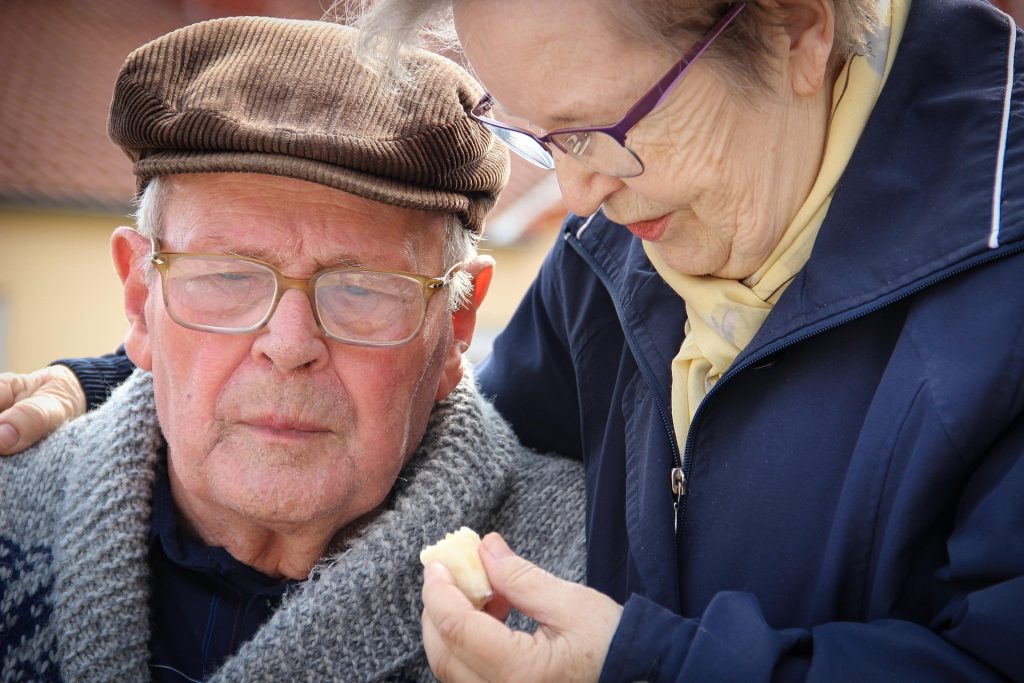
Earwax is normal and protective, but seniors are more likely to experience buildup because earwax can become drier with age, hearing aids can trap wax, and narrow or curved ear canals can make natural clearing harder.
In assisted living communities, it is also common for seniors to wait too long before mentioning ear discomfort, especially if symptoms start mild and slowly worsen. While many seniors can manage minor wax issues with safe, gentle habits, certain warning signs mean it is time to stop guessing and involve a medical professional.
When Earwax Symptoms Start Affecting Daily Life
Seniors should seek medical help for earwax removal when symptoms interfere with hearing, balance, or everyday comfort. A gradual drop in hearing, muffled sounds, or the feeling that one ear is “plugged” can signal impacted wax rather than a simple temporary change. Some seniors notice ringing in the ear, a sensation of fullness, or itching that does not improve.
Others experience mild dizziness or unsteadiness, which can be especially risky for seniors because falls are more likely when balance is off. If seniors find that hearing aids whistle more than usual, fit poorly, or seem less effective, wax buildup could be blocking sound or clogging the device. When these issues persist for more than a day or two, or they keep returning, a clinician can confirm whether earwax is the cause and remove it safely.
When Pain, Drainage, or Infection Signs Appear
Earwax should not cause significant pain, so seniors should treat pain as a clear reason to seek medical care. Sharp or worsening earache, warmth around the ear, swelling, or tenderness can point to infection, inflammation, or a scratch in the ear canal that needs attention. Drainage is another major red flag, whether it looks like pus, clear fluid, or blood. Seniors should also seek help if there is a bad odor from the ear, fever, or sudden hearing loss, because these symptoms may reflect an infection or another condition that is not simply wax.
Seniors with diabetes, weakened immune systems, or a history of frequent ear infections should be especially cautious, since infections can progress faster and lead to complications. Medical professionals can evaluate the ear canal and eardrum, treat any infection if present, and choose the safest removal method.
When Home Methods Are Risky or Not Working
Seniors should avoid “digging” with cotton swabs, hairpins, or other objects, because these tools often push wax deeper and can tear the delicate skin of the ear canal. If seniors have already tried gentle softening drops and symptoms remain, it is safer to stop and get professional care rather than repeat treatments that may irritate the ear.
Ear candling should be avoided entirely, since it can cause burns and does not reliably remove wax. If seniors wear hearing aids or earbuds daily and wax keeps returning, medical removal may be needed, along with advice on prevention. Clinicians can use suction, specialized instruments, or irrigation when appropriate, and they can confirm that the eardrum is intact before any procedure.
When Certain Medical Histories Require Extra Caution
Some seniors should seek medical help earlier because routine home care can be unsafe. Seniors with a perforated eardrum, ear tubes, previous ear surgery, chronic ear disease, or frequent swimmer’s ear should not attempt irrigation or drops without guidance. Seniors who experience severe vertigo, sudden changes in hearing, or one-sided symptoms that come on quickly should be evaluated to rule out problems beyond wax.
Blood thinners, fragile skin, and certain skin conditions can also increase the risk of bleeding or irritation during removal. In these situations, a medical professional can remove wax with minimal trauma and ensure there is no underlying condition such as infection, dermatitis, or eardrum injury.
Conclusion
Seniors should seek medical help for earwax removal when symptoms disrupt hearing or balance, when pain or drainage suggests infection, when home methods are not helping, or when medical history makes self-care risky. Professional evaluation protects seniors from injury, prevents missed diagnoses, and restores comfort and hearing more safely than trial-and-error approaches.

